
Travel to the United States Under Scrutiny: Social Media Enters the Authorization Process
Starting in 2026, the United States may require travelers from visa-free countries to provide five years of social media history and additional personal data through ESTA. Find out what could really change and how to prepare for your next trip to the USA.
NEWS
12/13/20253 min read
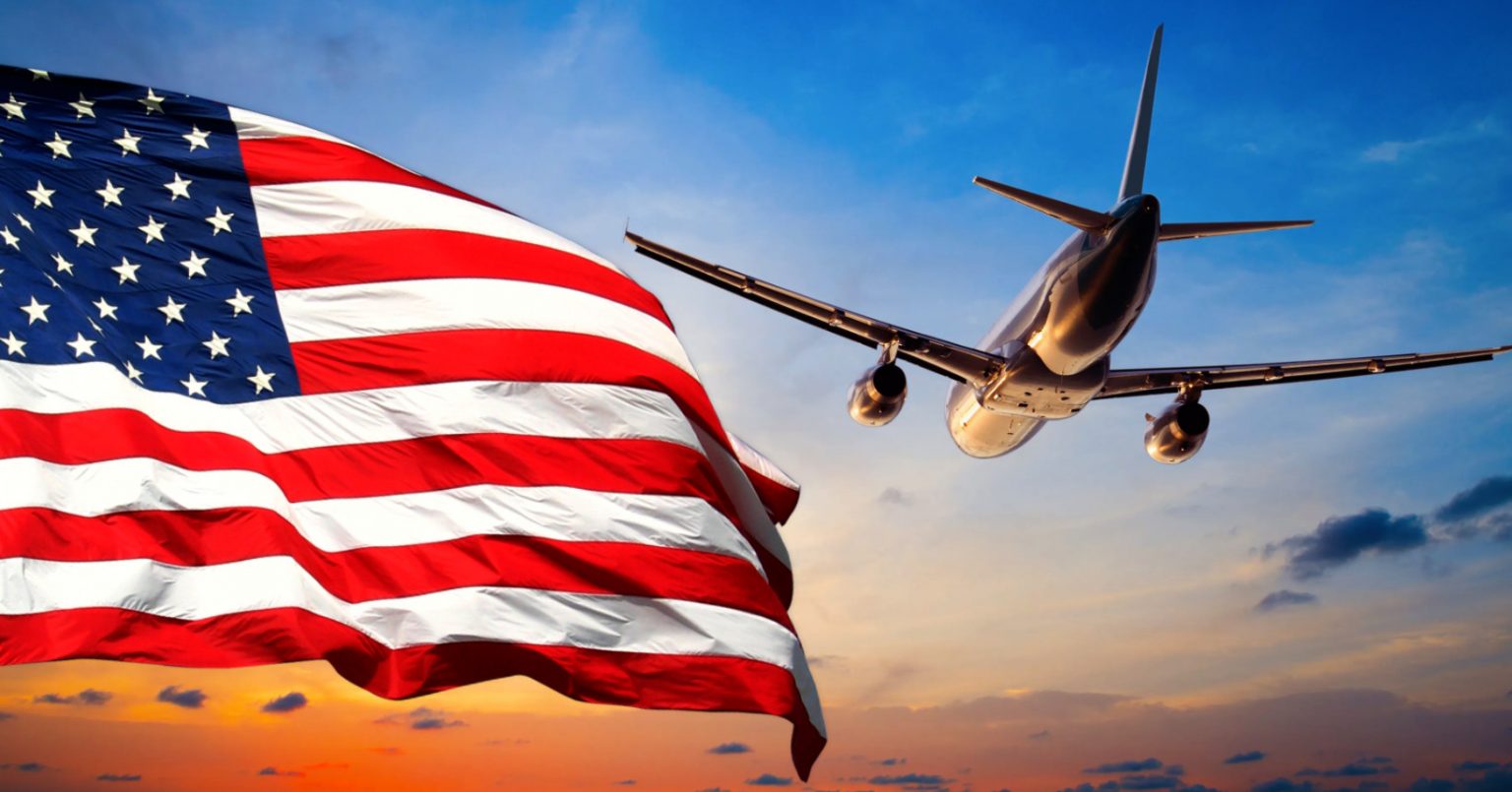
USA Tightens Entry Rules for Tourists: Sharing 5 Years of Social Media Activity Could Soon Be Mandatory
Planning a trip to the United States has always been synonymous with freedom, wide-open spaces, and star-spangled dreams. However, in the coming months, access to the country could become far more complex—especially from a digital standpoint. A new proposal by the U.S. government is sparking debate: tourists entering the USA may be required to make their social media history from the past five years available for review.
The measure, currently under evaluation, concerns the ESTA program (Electronic System for Travel Authorization), which millions of travelers use every year to enter the United States without a visa.
From Documents to Social Profiles: What’s Changing
According to the proposal published by U.S. Customs and Border Protection (CBP), travelers from countries included in the Visa Waiver Program could be required to provide:
Social media usernames used over the past 5 years
Email addresses (active or inactive) from the past 10 years
Previous phone numbers
A recent selfie for identity verification
Information about immediate family members
Additional data for enhanced security screening
At present, providing social media profiles is optional and mainly applies to certain visa categories. The new proposal would instead make this a standard requirement for those traveling for tourism or business.
Who Would Be Affected by the New Rule
The measure could impact citizens of more than 40 countries, including Italy, France, Germany, Spain, the United Kingdom, Japan, and Australia.
In practical terms, anyone traveling to the U.S. without a visa for stays of up to 90 days may have to undergo a digital pre-screening—before even boarding the plane.
Why Does the U.S. Want Access to Our Social Media?
According to U.S. authorities, the main goal is to strengthen national security.
Analyzing online activity could help identify potential risks in advance, such as suspicious behavior, extremism, fraud, or inconsistencies in the information provided.
That said, the issue is highly controversial. Digital rights organizations and privacy experts warn that this practice could:
Limit freedom of expression
Discourage international tourism
Penalize those who use social media ironically or informally
Create discrimination based on content taken out of context.
Security vs. Privacy: The Debate Is Open
The most sensitive issue is privacy. Granting access to years of digital life raises important questions:
Who will analyze this data?
How long will it be stored?
Could it be used for other purposes in the future?
Many travelers fear that entering the United States could turn into a form of mandatory digital profiling—an idea that, until recently, felt far removed from traditional tourism.
When Will It Take Effect (If It Does)?
At the moment, the proposal is not final. A public consultation phase is underway, and only after reviewing the feedback will the government decide whether to approve, amend, or abandon it.
If confirmed, the new procedure could come into force between 2025 and 2026, with a significant impact on major international events hosted in the U.S., such as trade fairs, conferences, and global sporting competitions.
What Travelers Can Do (Starting Now)
If you’re planning to visit the United States in the coming years, here are some practical tips:
Review your current and past social media profiles
Recover forgotten old usernames
Ensure consistency between your personal data and online presence
Follow official updates from the U.S. Department of State
Apply for ESTA well in advance
Staying informed will become an essential part of the travel experience.
The Future of Tourism Is Digital
This potential shift marks a major turning point: traveling will no longer mean just having a valid passport, but also a digital identity that authorities can “read.”
The United States is not the only country moving in this direction—but it is certainly one of the most influential.
For those who love to travel, share stories, and document the world online, the question is simple:
How much of our digital life are we willing to reveal to cross a border?
Travel Smart—Not at the Last Minute!
Entry rules change, destinations evolve, and the way we travel is constantly transforming.
Subscribe to our newsletter to receive reliable updates on news like this, practical guides, inspirational itineraries, and useful tips to plan your future trips consciously.
And don’t forget to follow us on our social media channels for real-time content, on-the-road tips, and daily travel inspiration from around the world.
Contacts
Follow us on our social media
Follow Us
Newsletter
zainoinduerebecap@gmail.com
© Copyright 2026 - Zaino in Due | Privacy Policy | Cookie Policy
Fill out the form to subscribe to the newsletter, join our community and stay up to date.