

The 7 Secrets of Bologna: A Treasure Hunt Through the Mysteries of Emilia’s Capital
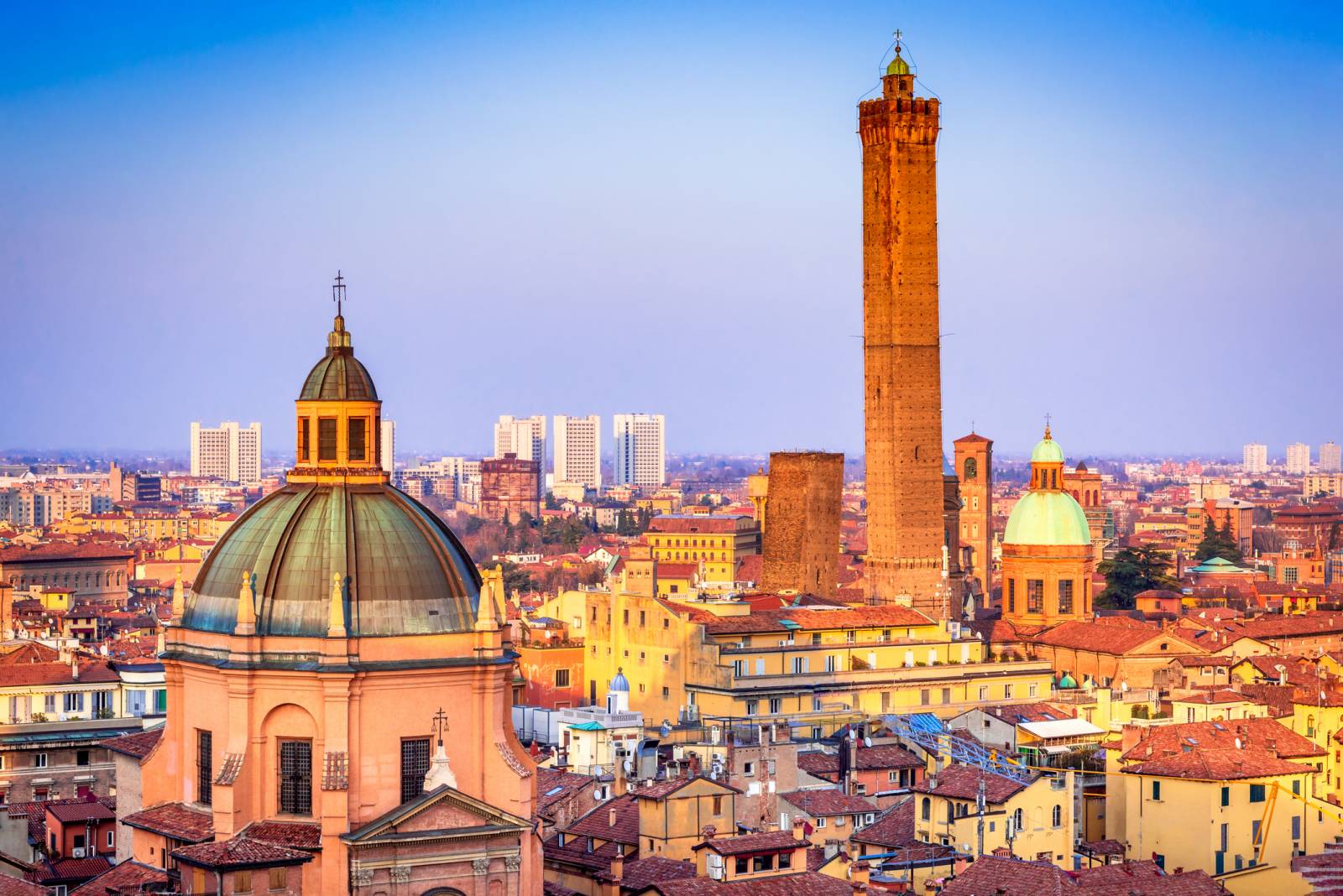
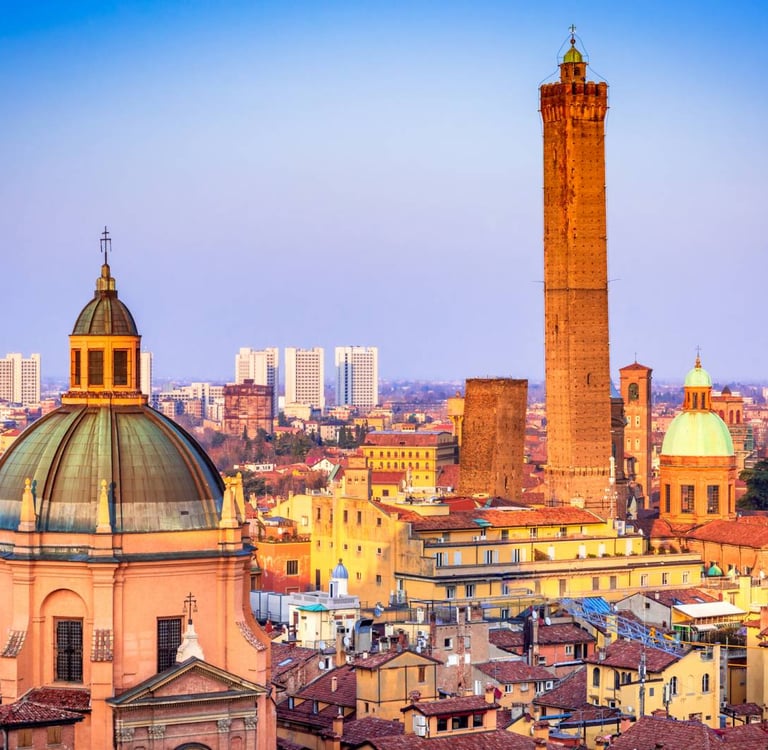
A journey through medieval legends, hidden symbols beneath the arcades, and secret perspectives that escape hurried glances: the seven secrets of Bologna create a mosaic of mysteries that make the city even more magnetic and unforgettable.
VIAGGI - TRAVELS
3/2/20265 min read
The Seven Secrets of Bologna: A Journey Through Hidden Wonders
1. The Medieval “Telephone”
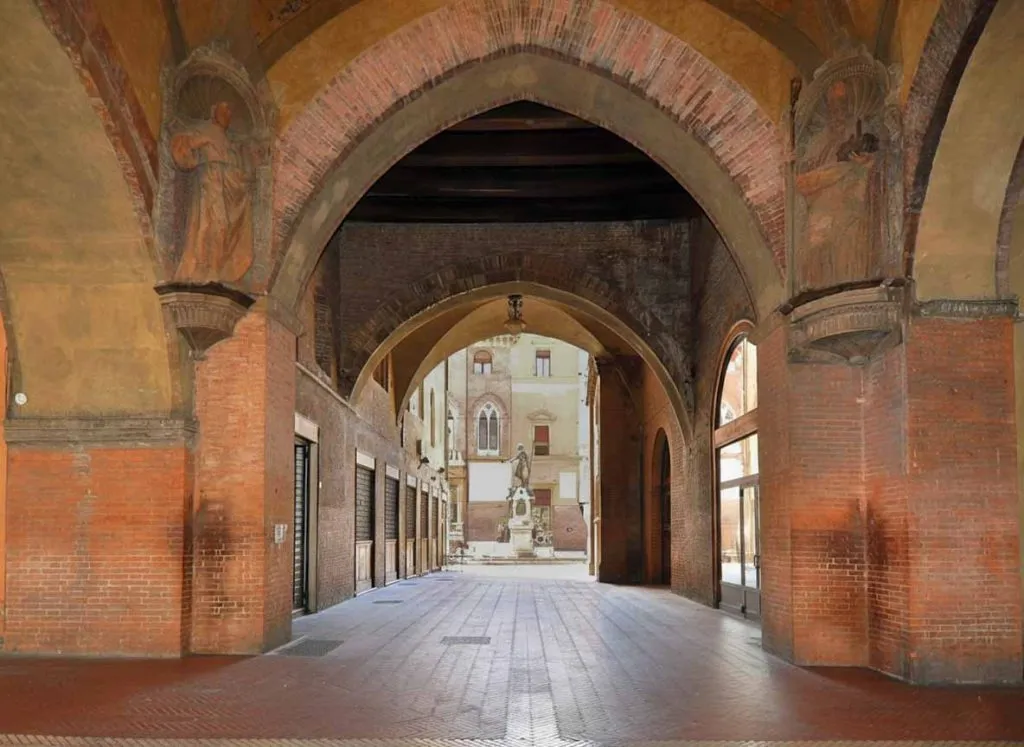
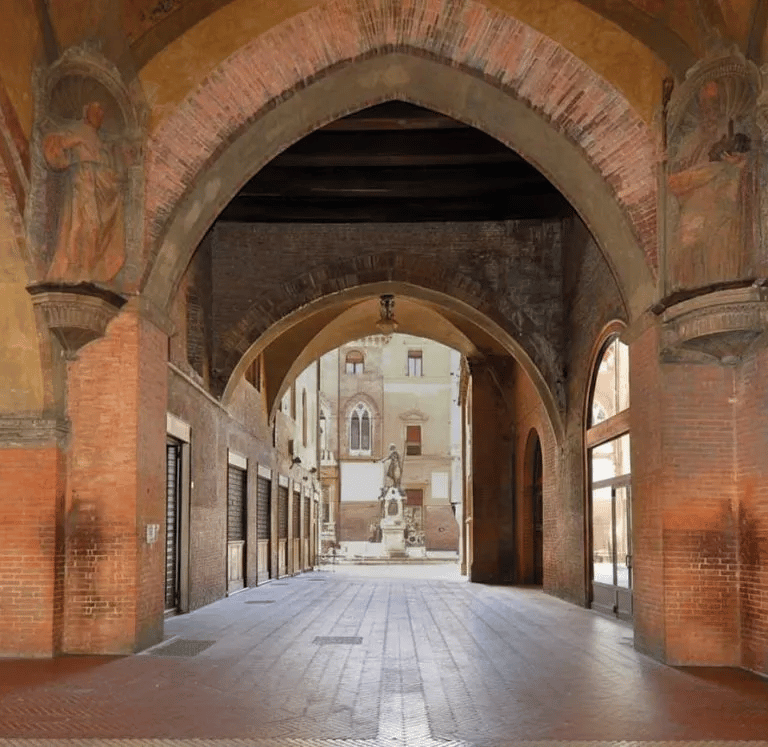
Your journey can only begin in the beating heart of the city center, beneath the Voltone del Podestà. Here, something magical happens — something that seems to defy the laws of physics: a real medieval “wireless telephone.”
Stand at one of the four opposite corners of the vaulted ceiling and whisper toward the wall. Your voice will travel along the curve of the stone and reach the person on the other side, clear and distinct. Legend has it that in the past this system allowed lepers to confess without infecting the priest. Today, it’s a favorite game among tourists and university students alike.
2. Little Venice
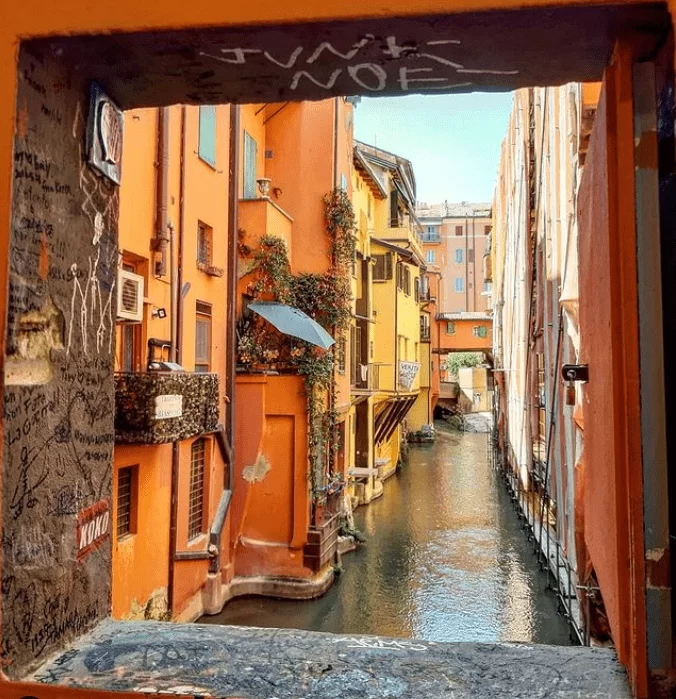
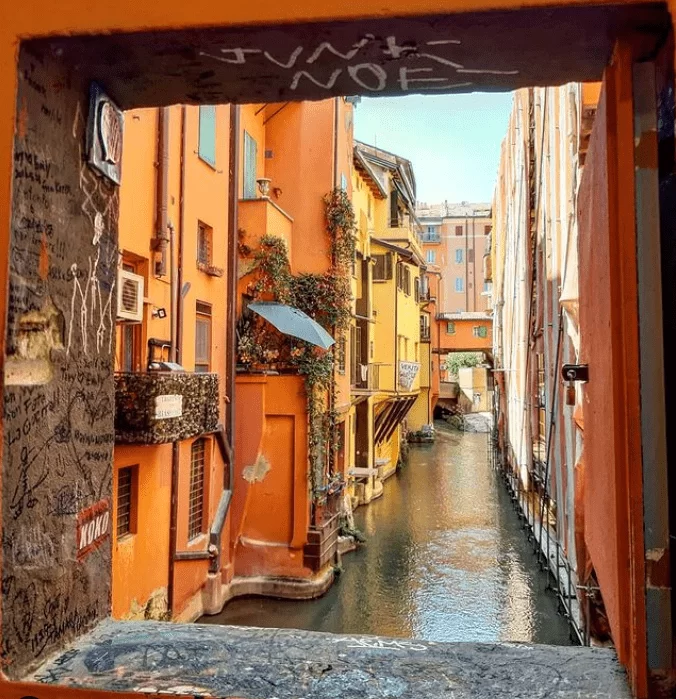
Another fascinating — and perhaps more Instagram-famous — secret is tied to the Reno Canal. Bologna was once a city of water, crisscrossed by canals that are now largely hidden from view.
Peek through the Small Window on Via Piella and you’ll discover a colorful glimpse of the Moline Canal framed by warm-toned buildings, reminiscent of Venice’s calli. It’s a living reminder of a time when the city was a complex hydraulic hub, essential for trade and goods transport through a network of canals that now lie mostly underground.
4. The Three Arrows of Corte Isolani
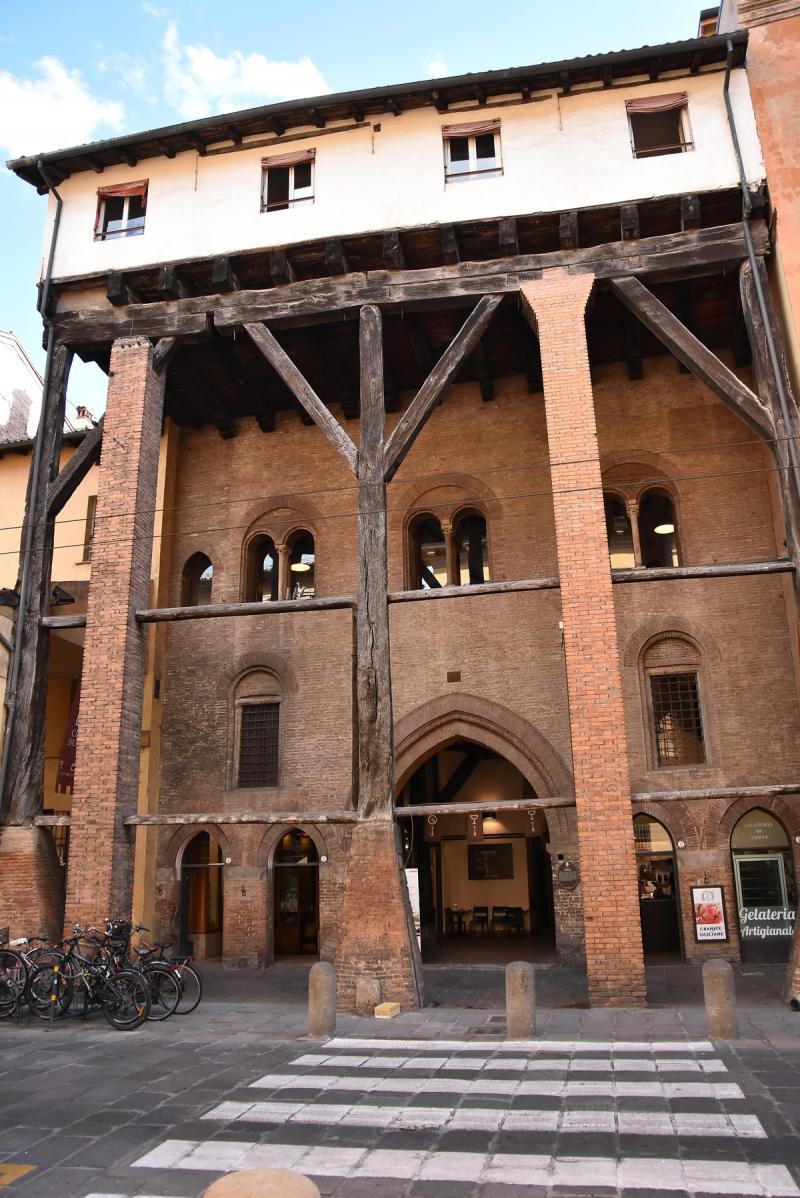
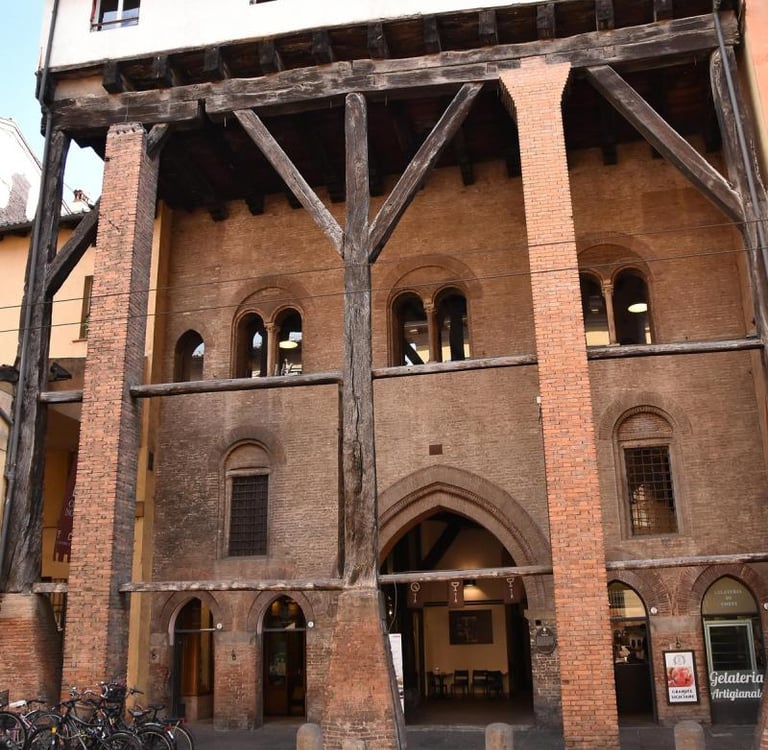
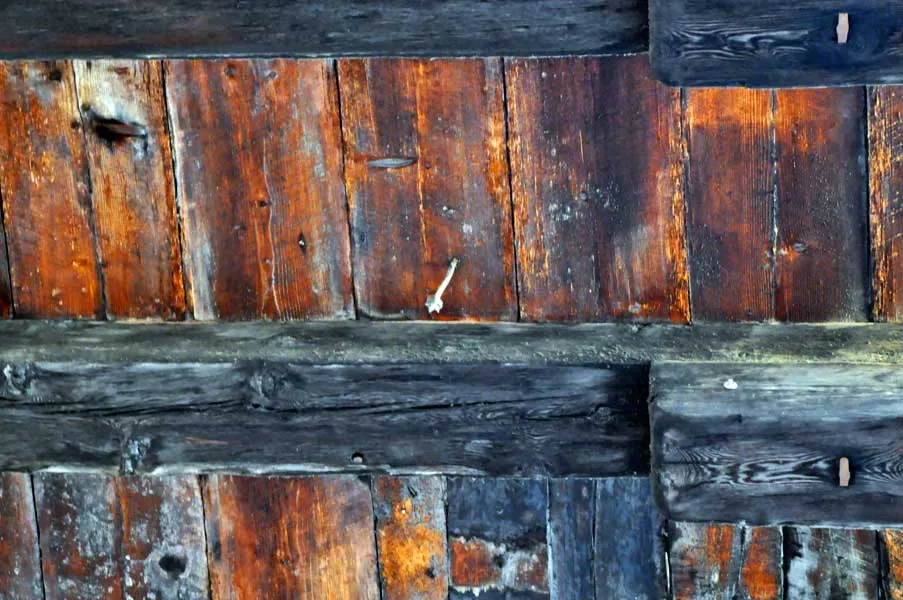
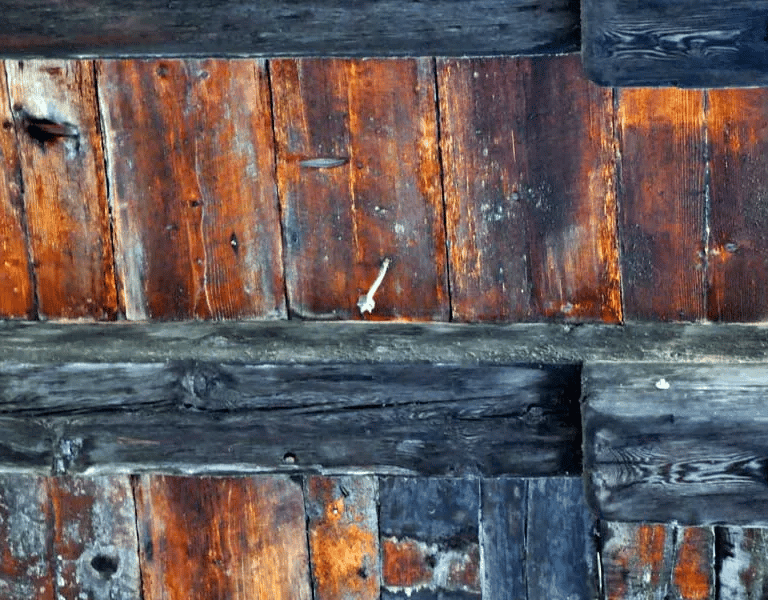
Look up beneath the wooden portico of Corte Isolani, between Strada Maggiore and Via Santo Stefano, and you might spot three arrows lodged in the ceiling beams.
Legend tells of three hired assassins tasked with killing a local lord. Just as they were about to strike, they were distracted by the beauty of a naked woman leaning out of a nearby window, causing them to shoot their arrows upward by mistake.
Another version claims the noblewoman herself was the target, accused of adultery by her husband.
The arrows are still there today — though not easy to find.
3. Neptune’s Finger
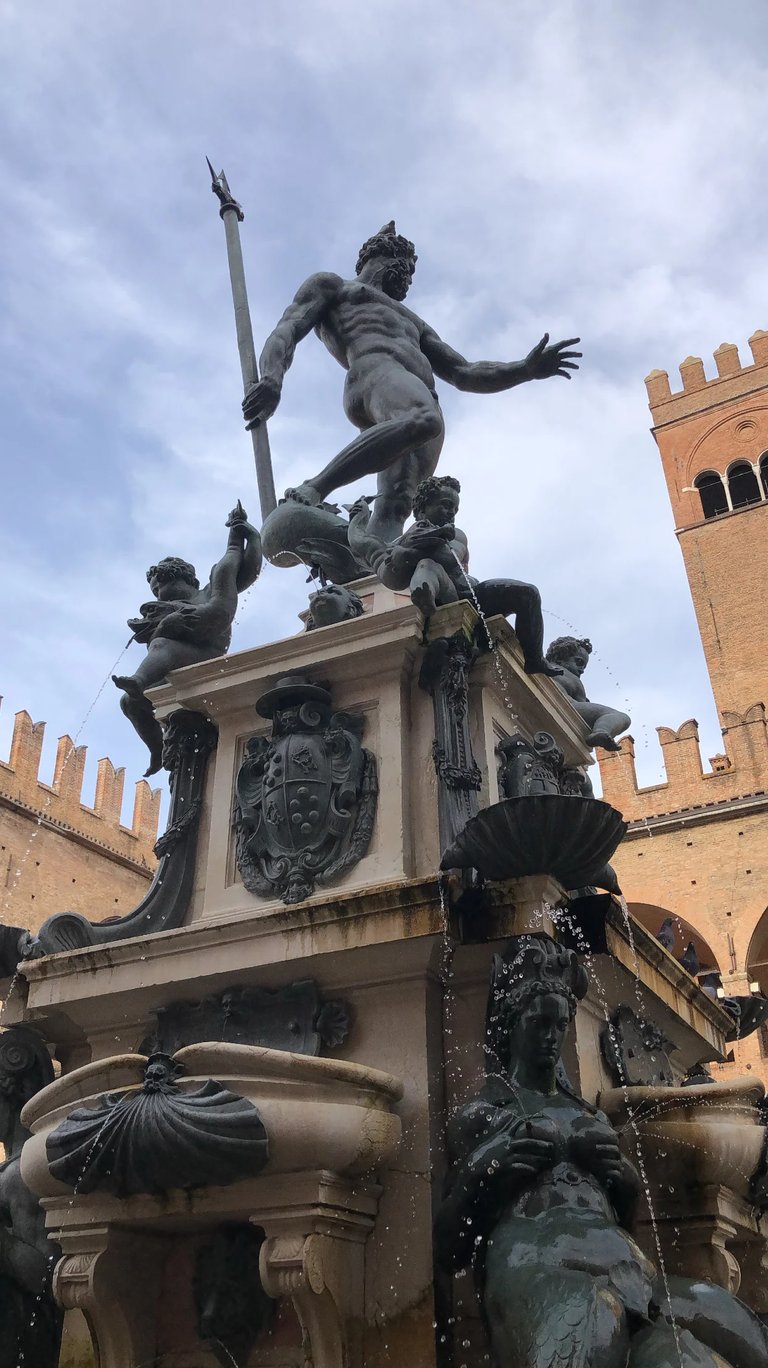
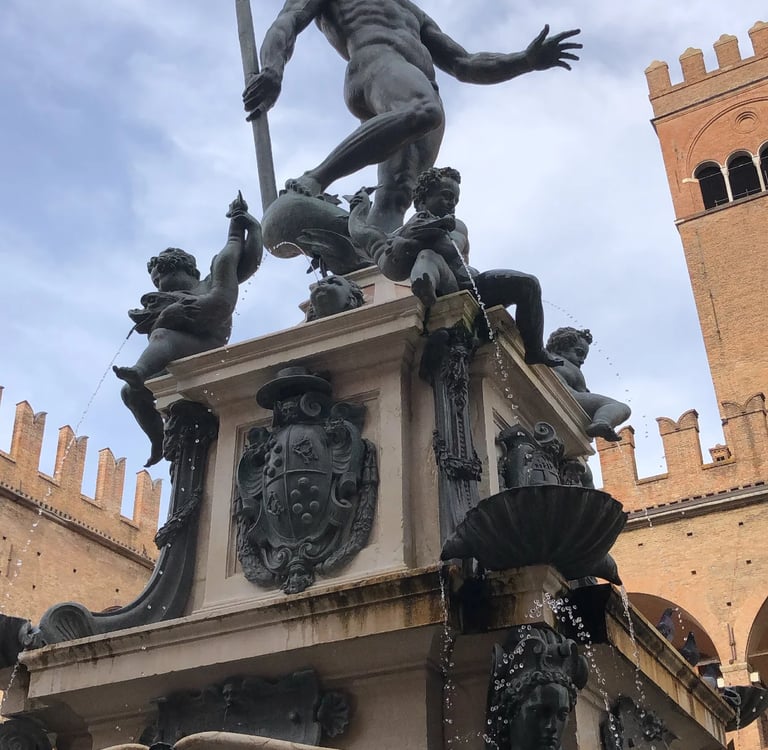
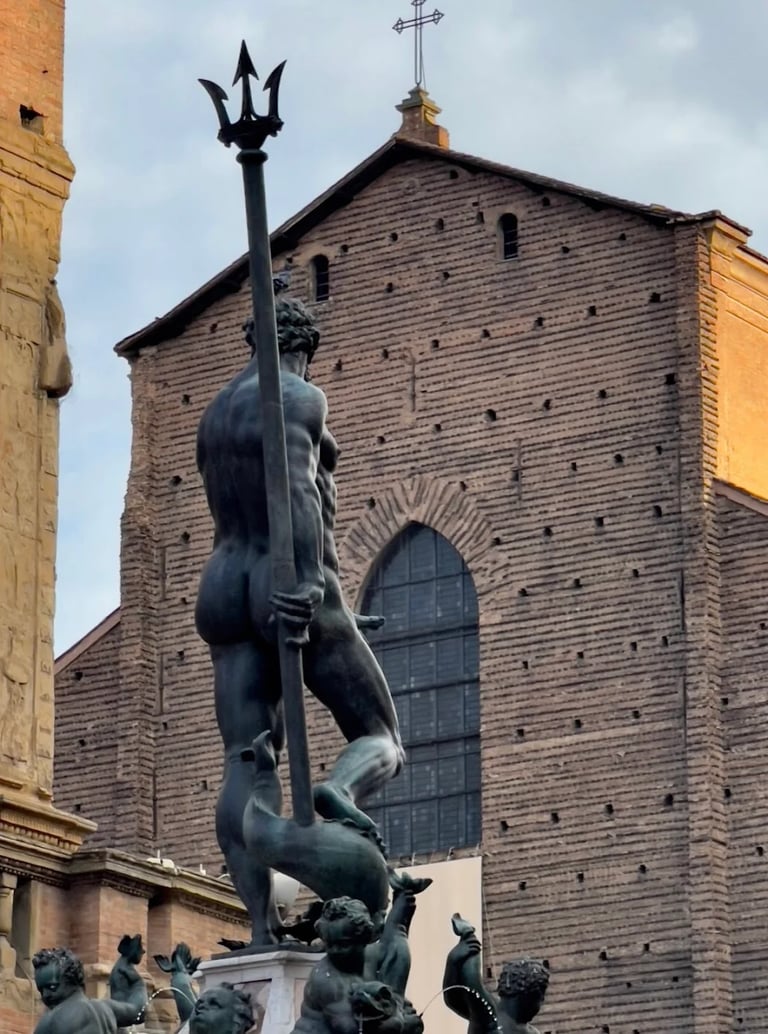
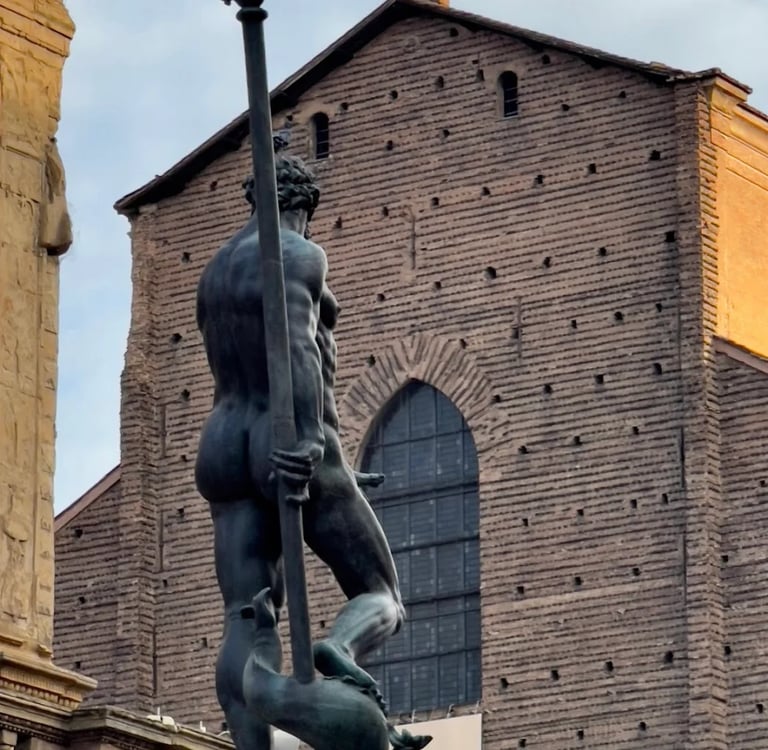
The iconic Fountain of Neptune in its namesake square, created by Giambologna in the 16th century, hides a curious optical illusion. During its creation, the artist was subjected to strict censorship by the Church.
He cleverly bypassed the restriction with a perspectival trick: stand on the dark stone near the steps of the Sala Borsa — the so-called “stone of shame” — and Neptune’s outstretched index finger appears to rise from his lower abdomen, creating the illusion of an erect member.
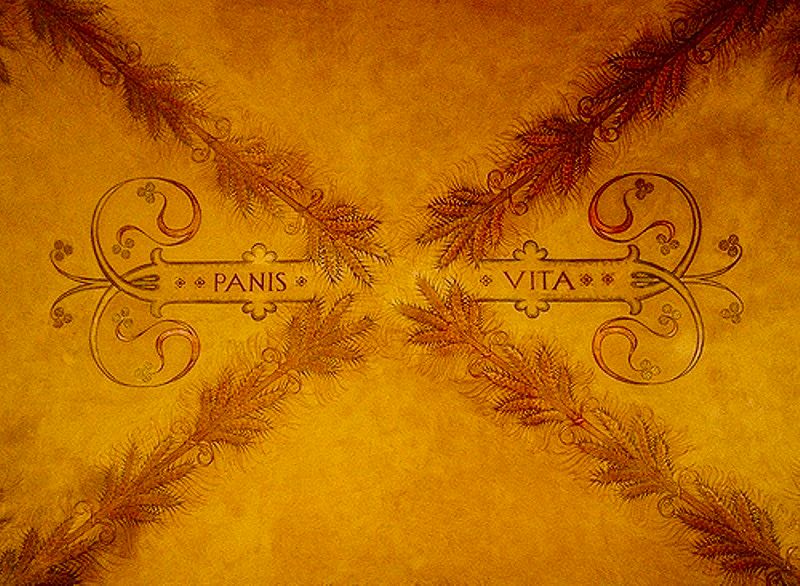
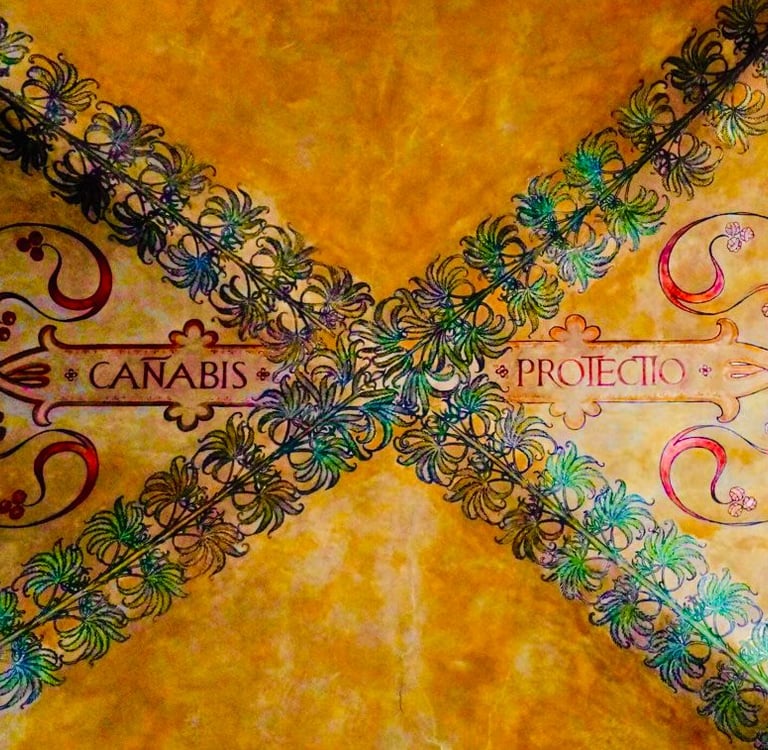
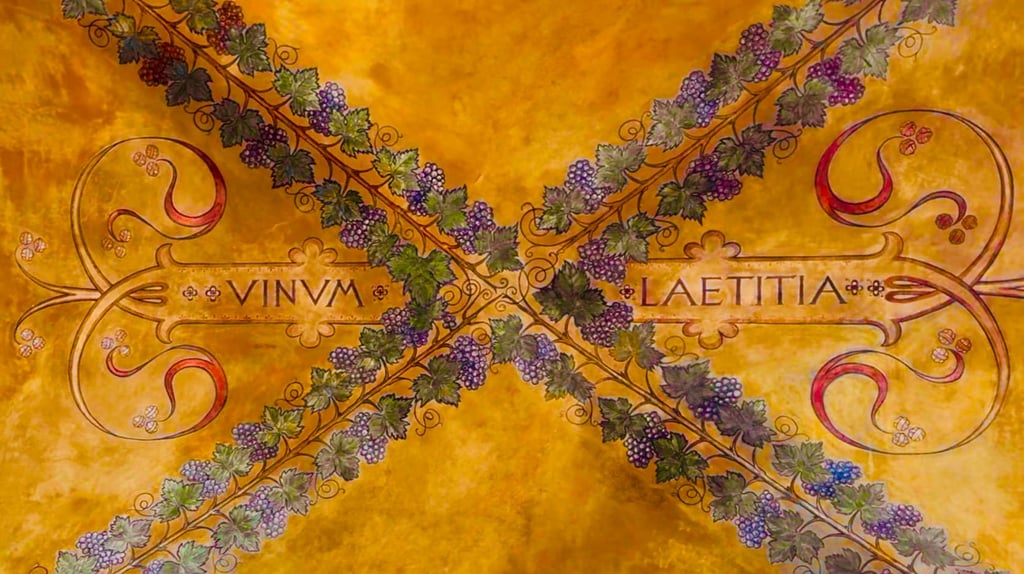
5. Canabis Protectio
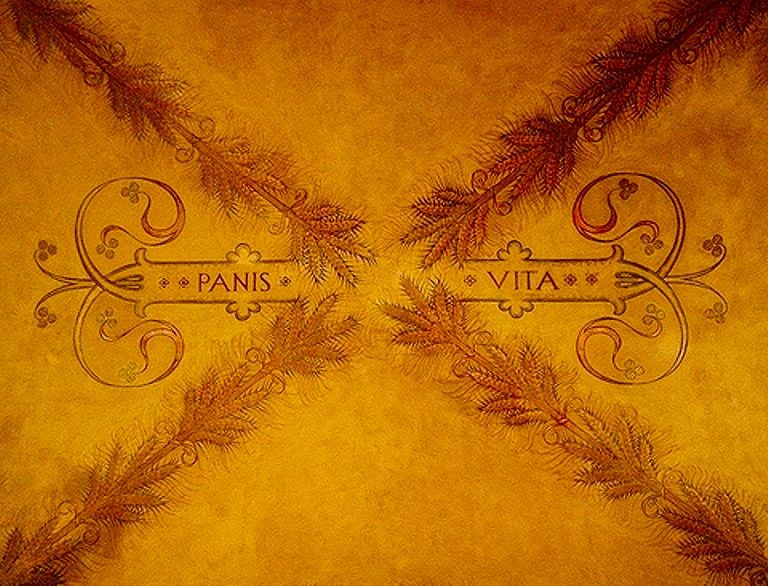
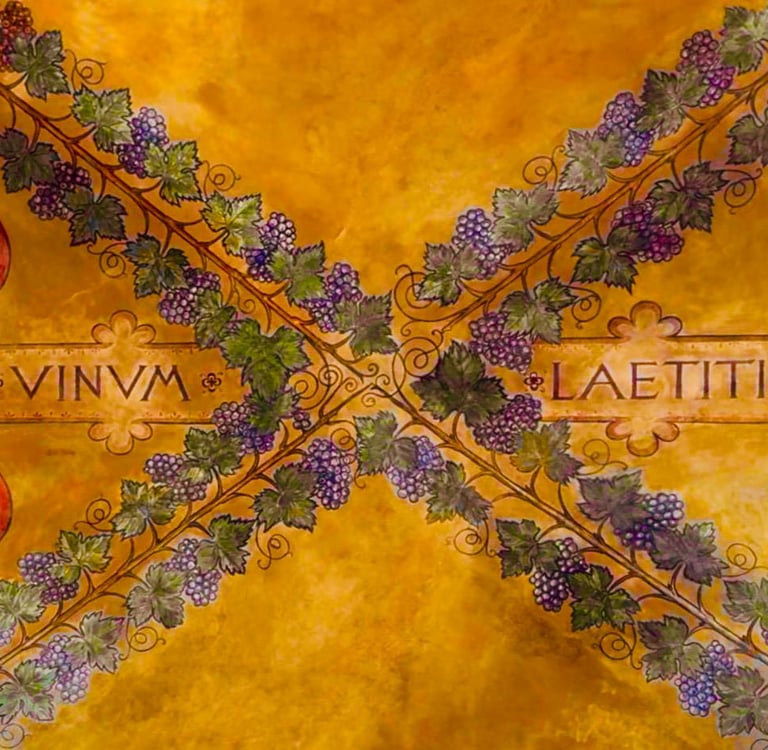
At the corner of Via Indipendenza and Via Rizzoli, under the portico of Via del Canton de’ Fiori, you can read a Latin inscription: “Panis vita, Canabis protectio, Vinum laetitia” (Bread is life, hemp is protection, wine is joy).
The phrase celebrates hemp, which for centuries was a pillar of Bologna’s economy. Used to produce ropes and durable textiles, it brought immense wealth to the city and shaped much of its prosperity.
6. The Broken Vase
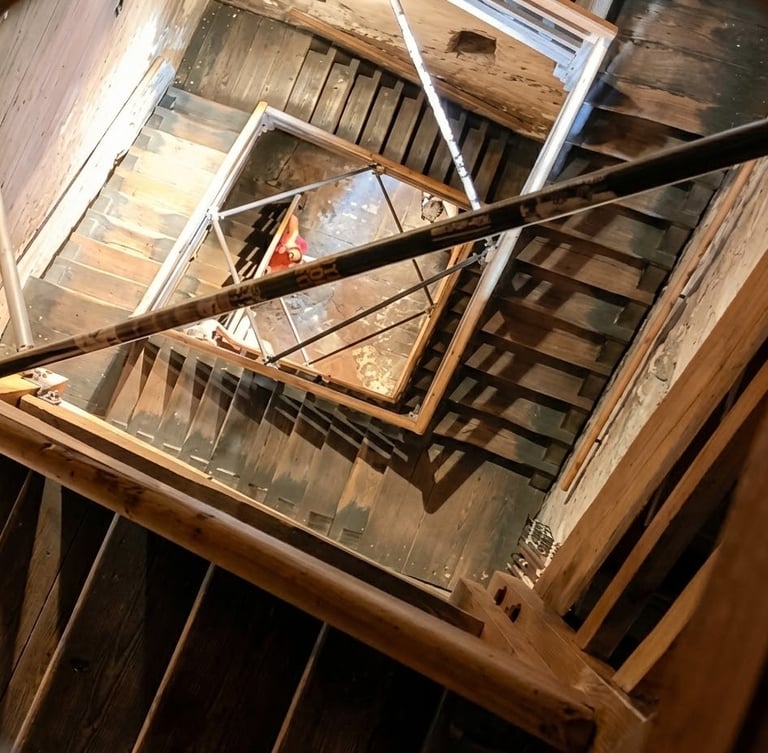
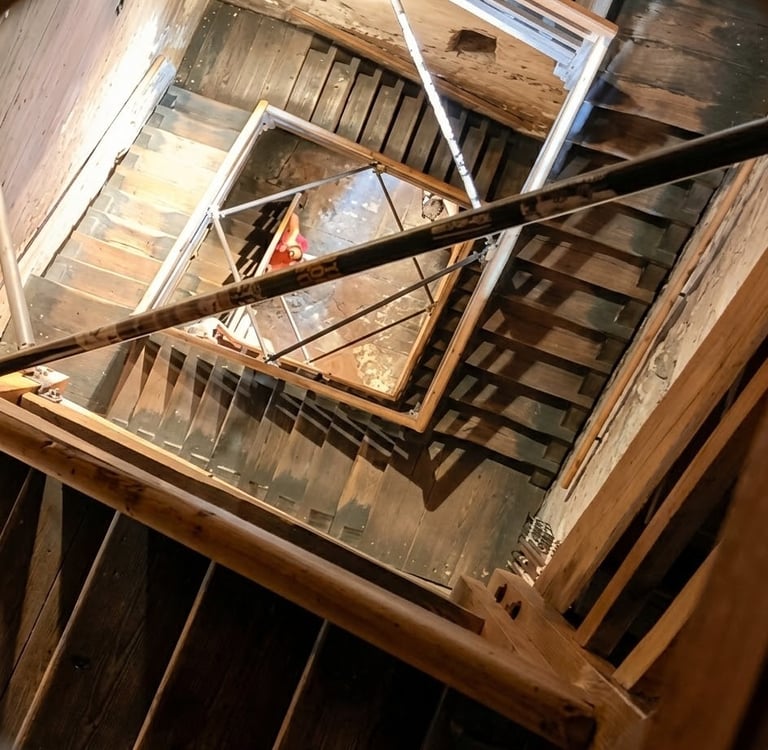
At the top of the Torre degli Asinelli — one of Bologna’s famous Two Towers — legend says a broken vase is hidden, visible only under particular lighting conditions and from a precise distance.
Several stories surround it. The most popular claims the fragments were placed as a warning to local administrators: a reminder to improve their political skills and governance. A contrasting interpretation sees it as a symbol of the Bolognese talent for solving problems and overcoming adversity.
Many climb the 498 steps in search of it, but few have truly seen it. For students, however, the challenge is different: it’s said that climbing the tower before graduation brings bad luck.
7. Panum Resis
On a desk inside the historic University headquarters at Palazzo Poggi, on Via Zamboni 33, the phrase “Panum Resis” is engraved.
Some interpret it as “knowledge is the bread at the base of all decisions,” others as “the bread of resistance.” It’s a tribute to knowledge as the foundation of freedom and survival — a fitting homage to Bologna’s academic spirit. Known as La Dotta (“The Learned”), the city is home to the oldest university in the Western world.
The mystery? Although cited for centuries, no one has ever definitively located it.
Don’t Miss the Next Journey
Bologna never stops surprising, but the world is full of hidden corners just waiting to be discovered.
If you enjoyed this tour through Bologna’s mysteries and want to uncover more hidden gems in Italy and around the world, join our community!
Subscribe to our newsletter to stay up to date with our latest destinations. And follow us on Instagram, TikTok and Facebook for travel tips, exclusive content, and behind-the-scenes videos.
Bologna isn’t just the scent of tortellini drifting through the streets of the Quadrilatero or the endless embrace of its UNESCO-listed porticoes. There’s an underground, whispered, almost invisible Bologna that reveals itself only to those who know where to look. It’s the city of seven secrets — a collection of curiosities and urban legends that turn a simple stroll into a true urban treasure hunt.
If you’re looking for a reason to fall hopelessly in love with this city, let its most fascinating enigmas guide you.

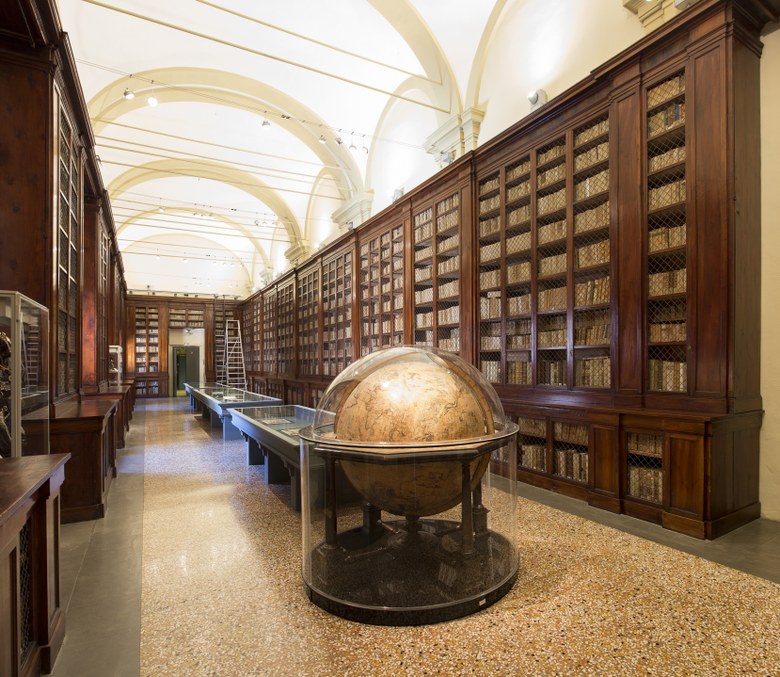
Exploring Bologna through these small details means discovering its most authentic soul — a blend of irony, ingenuity, and just a touch of mystery. Every corner hides a story waiting to be uncovered and told, turning each visit into a unique and unforgettable experience.
Contacts
Follow us on our social media
Follow Us
Newsletter
zainoinduerebecap@gmail.com
© Copyright 2026 - Zaino in Due | Privacy Policy | Cookie Policy
Fill out the form to subscribe to the newsletter, join our community and stay up to date.