

Gig-Tripping 2026: how music is reshaping global tourism routes through AI and sustainability
Music tourism is on the rise across Europe: concerts and festivals are becoming the starting point for tailor-made trips, thanks in part to new apps that create personalised itineraries.
NEWS
4/15/20263 min read
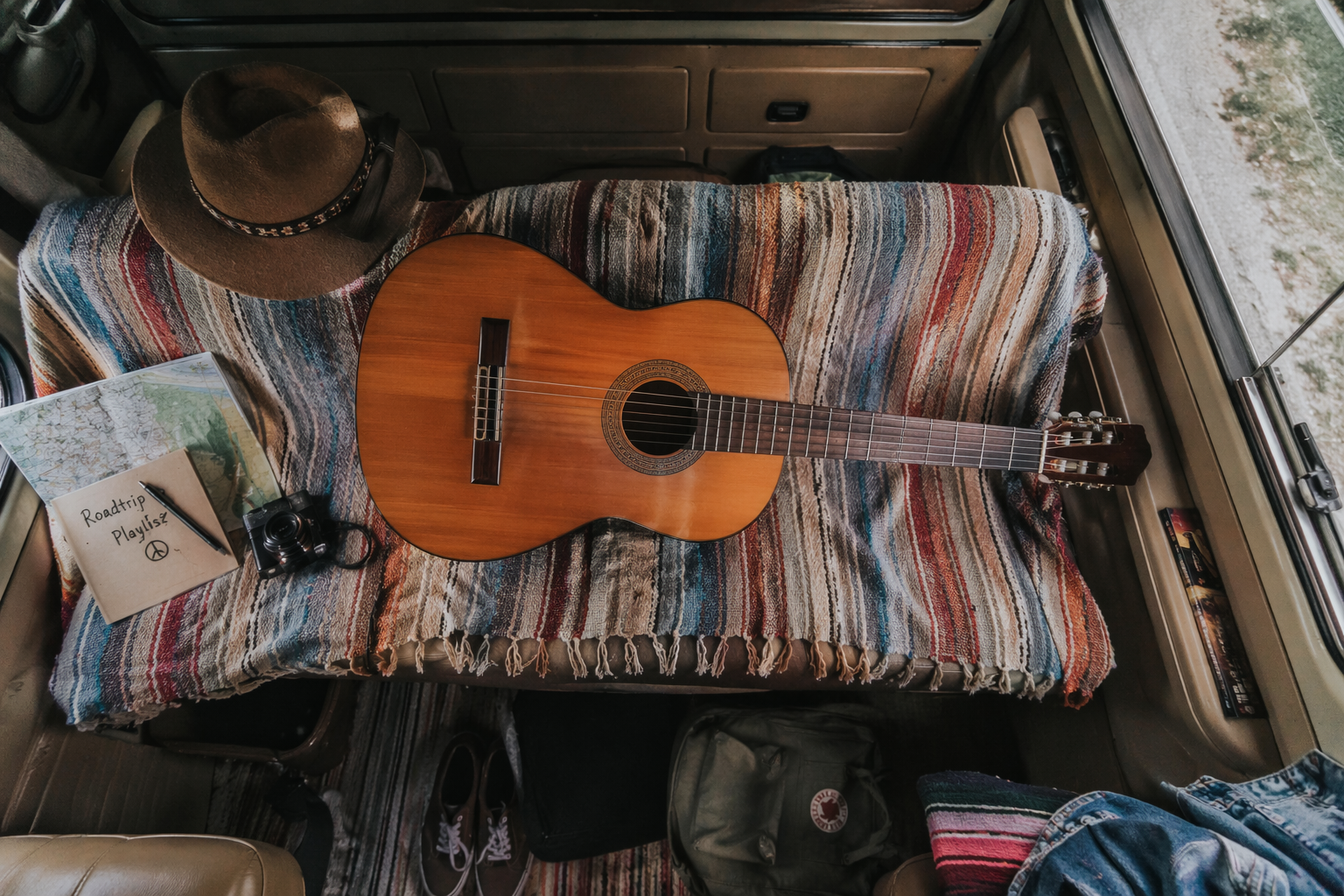
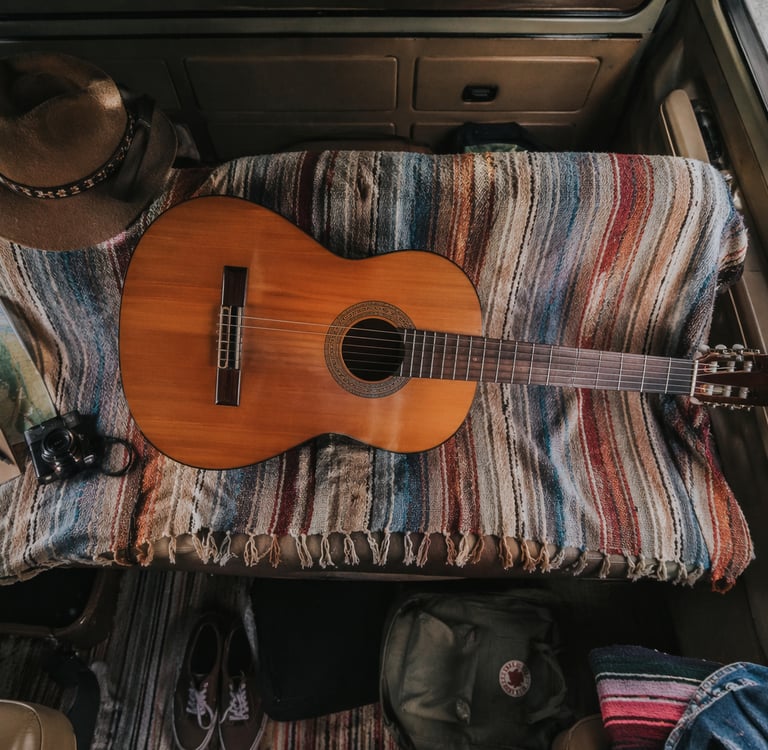
In recent years, the tourism sector has seen growing interest in experiences linked to live music. Concerts, festivals and tours are no longer simply events to attend, but are increasingly becoming central elements in travel planning.
This trend, known as music travel or gig-tripping, forms part of a broader shift in travellers’ habits, with a stronger focus on immersive and personalised experiences. In this context, the choice of destination is no longer the starting point, but rather the outcome of specific interests—among them, attending music events.
This shift is also driven by unprecedented economic and social dynamics. In many cases, the combined cost of a flight and a concert ticket in a European capital or secondary destination can be more competitive than buying a ticket for a sold-out event in one’s own city. As a result, a passion-driven form of tourism is emerging, where logistical savings are turned into extra budget for exploring the destination, making the concert a pretext for a longer holiday.
At the same time, technological development is helping to accelerate this trend. In recent years, new digital applications have been introduced to integrate music discovery with travel planning, turning concerts into the starting point for more complex experiences.
Among these, one of the most notable innovations is Roadtrip, a platform designed to create personalised itineraries based on music events. The app allows users to discover concerts and festivals worldwide and build routes connecting multiple stops, suggesting places linked to local music culture, such as historic clubs, record shops and cultural venues.
Alongside this solution, established tools such as Songkick—used to track tours and live dates of favourite artists—and Bandsintown, which sends personalised notifications about concerts in selected cities, are also gaining traction. Although originally designed as informational tools, these apps are increasingly becoming useful for travel planning as well.
By 2026, the evolution of these platforms is marked by the widespread integration of generative AI. Apps no longer simply highlight event dates, but generate itineraries based on users’ listening habits on Spotify or Apple Music. Travellers can request routes connecting two specific destinations while stopping only at niche clubs or eco-friendly festivals, with AI automatically managing bookings in “music-friendly” hotels equipped with in-room turntables or recording studios for creators.
Some platforms also integrate additional logistical services, such as ticket purchasing, transport management and recommendations for points of interest, including historic clubs, specialised shops, cultural spaces and neighbourhoods of musical significance. In this way, technology helps streamline organisation and make travel more seamless, while also enabling a richer and more complete musical experience.
The growing interest in music tourism reflects a broader transformation in the way people experience travel. The focus is no longer limited to visiting major landmarks, but extends to discovering the cultural and identity-driven elements that define a destination. In this sense, music offers a privileged gateway to connecting with a place.
Attending a concert in a different city allows travellers to engage more directly with the local environment, fostering interaction with specific social and cultural contexts. This is further enhanced by the rise of music-related retail: travellers are not only seeking out events, but also attending exclusive pop-up stores and temporary exhibitions dedicated to artists, turning merchandise purchases into a collective ritual that supports the local creative economy.
This type of experience strengthens the bond between traveller and destination, creating a deeper level of engagement compared to more traditional forms of tourism.
This phenomenon is also reflected in digital content creation, where storytelling through music-driven travel is becoming increasingly relevant. Narratives centred on concerts and musical itineraries tend to combine cultural, emotional and visual elements, responding to the growing demand for authentic and immersive content.
In light of these dynamics, music tourism is emerging as one of the key segments in the contemporary travel landscape. The integration of live events, technology and mobility suggests an evolution in the very concept of travel, increasingly oriented towards thematic and personalised experiences in which music plays a central role.
The role of technology
More authentic and immersive experiences
Impact on content and storytelling
A trend set to grow
Staying up to date with trends
The evolution of music tourism is just one sign of a broader shift in how we explore the world, where experiences, culture and technology are becoming ever more intertwined.
To keep up with the latest trends, discover new destinations and explore developments in the travel industry, don’t forget to subscribe to the newsletter for updates, insights and curated content.
And for a more immediate and direct perspective, follow us on Instagram, TikTok and Facebook where travel stories come to life through images, videos and real-time insights.
A new way to plan travel
Sustainability and decentralisation
Gig-tripping is also becoming a powerful driver for tourism in secondary cities.
Festivals held in smaller towns or rural areas help ease congestion in major metropolitan centres, redistributing economic benefits towards less-visited destinations.
At the same time, attention to sustainability is increasing: modern music travellers favour intermodal transport options—such as high-speed trains connecting major European festivals—and prioritise plastic-free events, incorporating environmental awareness into their travel narratives.
Contacts
Follow us on our social media
Follow Us
Newsletter
zainoinduerebecap@gmail.com
© Copyright 2026 - Zaino in Due | Privacy Policy | Cookie Policy
Fill out the form to subscribe to the newsletter, join our community and stay up to date.